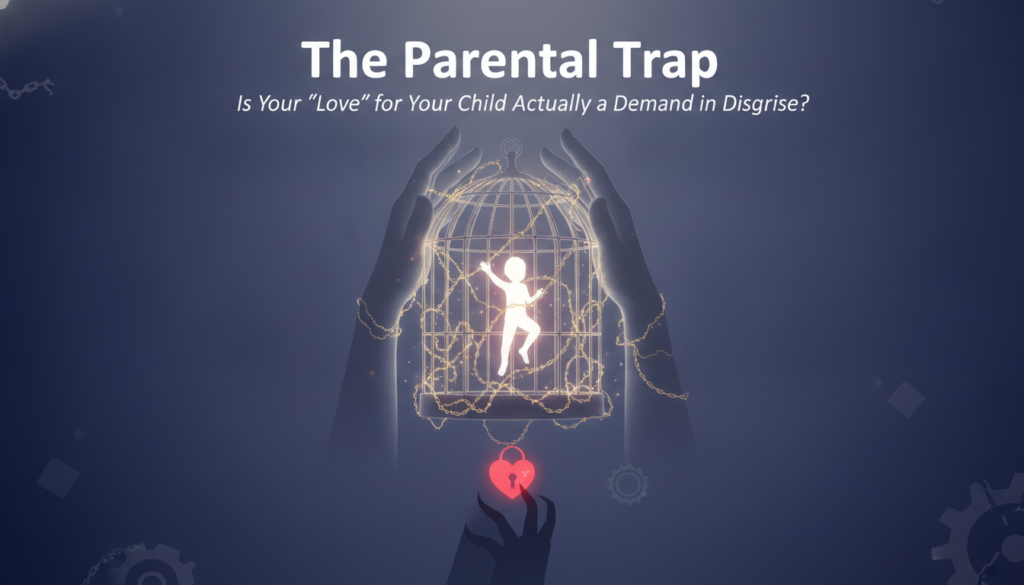
You utter the word “love” with such conviction when it comes to your children. A sacred, boundless emotion, you believe. But what if this sacredness is a carefully constructed illusion? What if what you perceive as selfless devotion is, in essence, a sophisticated demand, a subtle form of ownership, a trap you have laid for both yourself and the very life you claim to cherish?
The Unexamined ‘Love’
Most human interactions, dressed up as relationships, are transactional. Parenthood often appears to be the exception, a realm of pure, unconditional giving. Yet, peel back the layers of societal sentimentality, and you may find something far less noble. This ‘love’ frequently originates not from the boundless nature of existence, but from the finite realm of your ego. It is a projection, a desperate attempt to complete yourself through another, a means to fulfill what you yourself missed or desired.
The Weight of Expectation
You want your child to be happy, successful, secure. Noble intentions, perhaps. But examine the source of these desires. Are they genuinely for the child’s unique blossoming, or are they carefully crafted templates drawn from your own unfulfilled ambitions, fears, and societal conditioning? You burden them with your own unfinished business, disguising it as guidance.
Your Dreams, Their Burden: You wanted to be a doctor, a musician, a scholar. Your child shows a different inclination, but your ‘love’ subtly, or not so subtly, steers them towards *your* path. This is not love; it is an attempt to live vicariously.
Societal Approval: You demand they achieve certain milestones, conform to certain behaviors, not because it benefits their inner being, but because it brings you validation. Their triumphs become your trophies, their failures your shame. This is not love; it is a quest for external affirmation.
Security vs. Freedom: You desire their security. Understandable. But your definition of security often means staying within *your* defined, safe boundaries, even if it suffocates their spirit. You build a gilded cage and call it home. This is not love; it is fear masquerading as care.
The Demand for Control
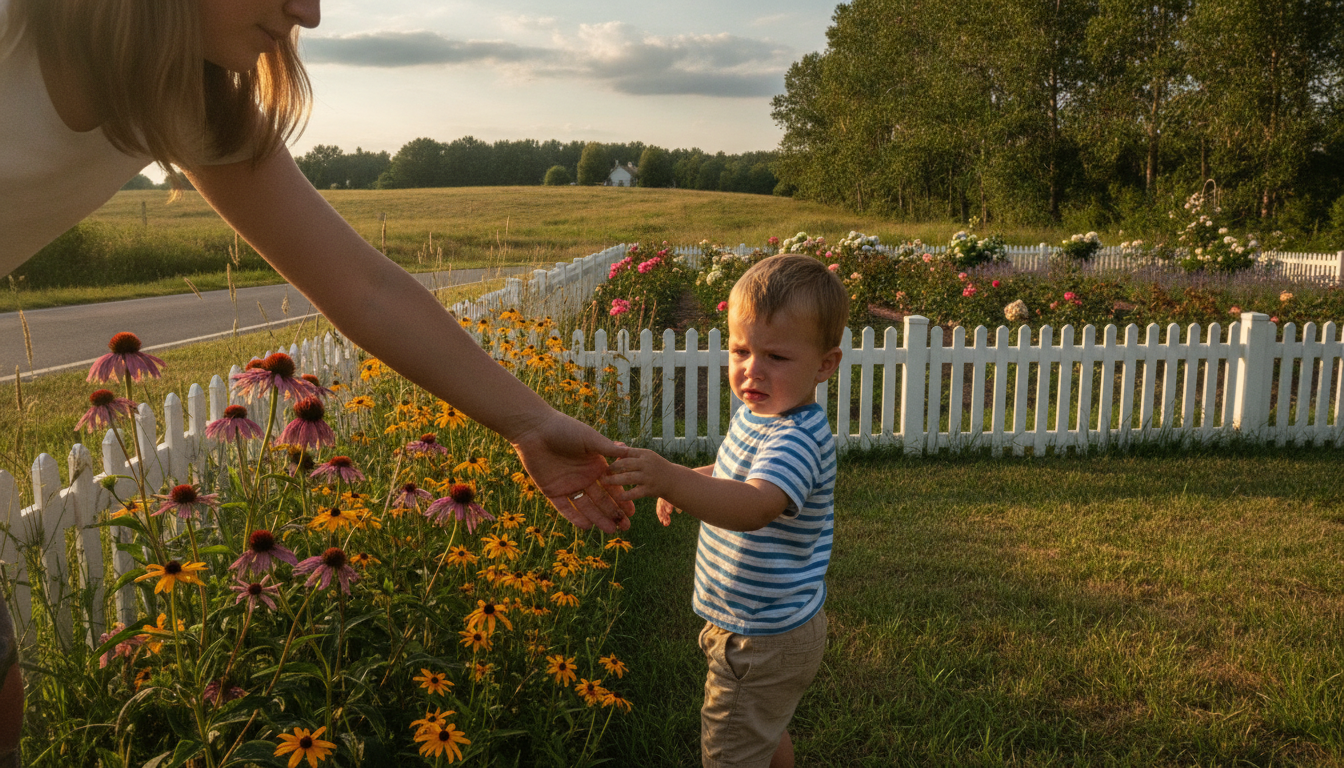
This ‘love’ often manifests as an insatiable need to control. You dictate their choices, monitor their friendships, scrutinize their passions. You believe you know what is best, always. But who are you to decide the trajectory of another life? Your child is not an extension of your will; they are an independent life force, a universe unto themselves. To deny them their own mistakes, their own explorations, their own path, is to deny their very right to exist as a sovereign being.
Fear as the Foundation
The root of this controlling ‘love’ is often fear. Fear that they will stumble, fall, suffer. Fear that they will not meet your expectations, or the expectations of the world. Fear that they will stray from the path *you* deem correct. This fear, disguised as protection, binds them. It creates a dependency, preventing them from developing the inner strength and wisdom that comes only from navigating life on their own terms.
Fear of Failure: Your child’s potential missteps are seen as reflections of your inadequacy as a parent. You intervene not to empower them, but to protect your own image.
Fear of the Unknown: Their individuality, their unique choices, lead them into territory you cannot predict or manage. This uncertainty triggers your anxiety, which then translates into control.
Fear of Losing Identity: For many, their identity becomes so intertwined with their child’s existence and achievements that letting go feels like a fundamental loss of self. You are afraid to lose *them*, but in reality, you are afraid to lose *yourself*.
Beyond the Trap: True Love and Freedom
True love is not about possession; it is about liberation. It is not about control, but about creating an atmosphere where another being can blossom in their own unique way, unburdened by your projections. It means stepping back, witnessing, and supporting, without an agenda for their outcome. It is about understanding that your child is not here to fulfill your dreams, but to live their own.

The Path of Un-demanding Presence
To move from a demanding ‘love’ to true love requires profound introspection. It demands that you confront your own unaddressed needs, your own fears, and your own ego. It means cultivating a presence that observes, listens, and understands, rather than judges or directs.
Observe Your Own Motivations: Before you advise, intervene, or react, ask yourself: Is this truly for their well-being, or is it to satisfy a need within me? Is this about their freedom, or my comfort?
Cultivate Presence, Not Pressure: Be fully present in their lives, not as a manager or a sculptor, but as a supportive space. Allow them to be, without the constant pressure to perform or conform.
Allow Imperfection: Understand that mistakes are not failures to be prevented, but essential ingredients for growth. Your role is not to pave a flawless path, but to offer a steady hand when they stumble, and then let them up again.
Recognize Their Sovereignty: Your child is not your mini-me, nor a blank canvas for your art. They are a complete, sovereign being, with their own unique destiny. Honor that.

Only when you shed the demands, the expectations, and the fears, can true love emerge. This love is not about giving, but about allowing. It is not about possessing, but about setting free. It transforms you from a jailer, however well-intentioned, into a doorway through which another life can step into its own vastness, unburdened by your ‘love’ and liberated into its true potential.